
News / Policy / The White House announces a dialogue with China on “super intelligence” and a bilateral channel for incidents
The White House announces a dialogue with China on “super intelligence” and a bilateral channel for incidents
A White House fact sheet dated September 25, 2026, announces the “U.S.-China Super Intelligence (SI) Dialogue” and a bilateral channel for SI incidents; the official readout of the Chinese Foreign Ministry on the same meeting speaks of continuing a dialogue on “AI,” without using the name “Super Intelligence (SI) Dialogue” and without mentioning a channel for incidents.
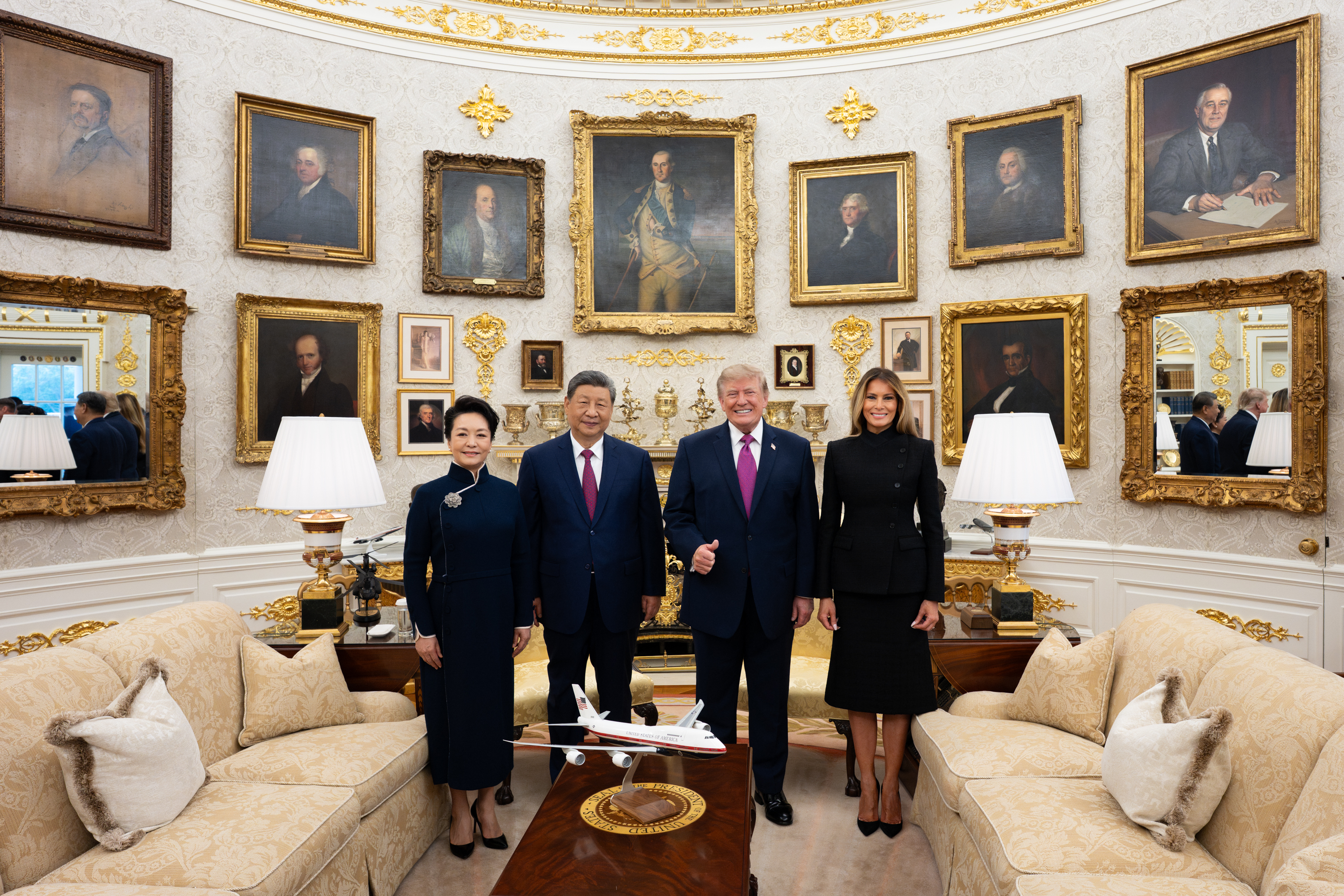
A White House fact sheet dated September 25, 2026, announces that the United States and China created the “U.S.-China Super Intelligence (SI) Dialogue,” a forum for exchanging views on the risks and benefits of what the document calls SI. According to the same text, the next exchange will take place before November 2026, and both countries agreed to establish a bilateral communication channel for SI incidents.
The fact sheet adds that the two leaders agreed to use the term “super intelligence” instead of “artificial intelligence” to describe these emerging technologies.
Beijing's version
According to the official readout of China's Ministry of Foreign Affairs, Xi Jinping met with Donald Trump at the White House on the morning of September 24, local time. At that meeting, Xi said that both countries can continue their dialogue on artificial intelligence, exchange views on its risks and benefits and jointly prevent its misuse and abuse, and that AI must remain under human control.
The Chinese readout refers to the technology as “AI.” It does not mention the term “super intelligence” or a communication channel for incidents.
Background in New York
Before the summit, at a meeting in New York with Chinese Vice Premier He Lifeng, U.S. Treasury Secretary Scott Bessent said that Washington had proposed a bilateral AI dialogue that would include a notification system for incidents serious enough to affect national security, as reported by Al Jazeera. The same outlet quoted U.S. Trade Representative Jamieson Greer, who said that export controls on advanced AI chips and semiconductor manufacturing equipment are not part of the proposed mechanism.
On the Chinese side, Ministry of Commerce spokesperson He Yadong, quoted by CGTN, said that He Lifeng and Bessent held their first dialogue on artificial intelligence during those consultations.
The name change has a precedent inside Washington. The Associated Press obtained an email from Deputy Assistant Secretary of State Michael Drager, titled “Change in Nomenclature AI to SI,” instructing the State Department's Bureau of International Organization Affairs to replace “Artificial Intelligence” with “Super Intelligence” in all its documents and positions, following a speech by Trump to the UN General Assembly in which he said the word “artificial” makes intelligence sound fake.
AINI's view
For AINI, what matters in the announcement is not the name change but what the channel will have to define: what counts as an “incident” and what keeping AI “under human control” means. The incident channel appears only in the White House fact sheet, and “human control” only in the Chinese readout; in both cases, what is announced is a bilateral forum between Washington and Beijing that Latin America and the Caribbean are not part of.
The institute argues that, if those definitions are consolidated between the two parties, the region could end up applying them without having taken part in discussing them. And it notes that, judging by their own official readouts, the two parties do not yet name the technology the same way: Washington speaks of “super intelligence” and Beijing still says “AI.”
What remains unknown is what threshold will trigger a notification through the incident channel, whether its criteria will be made public and whether there will be any way for third countries to learn about or discuss those definitions.